



News Center
Screen Mesh & Tension: What Every Printer Must Know (With Screen Stretching Machine Tips)
 2026-08-18
 188
188
Choosing the right screen mesh is half the battle—the other half is tension. Even the best mesh fails without proper stretching. This guide cuts through the noise to help you pick the right mesh and understand why a quality screen stretching machine is non‑negotiable.
1.Mesh Basics in 30 Seconds
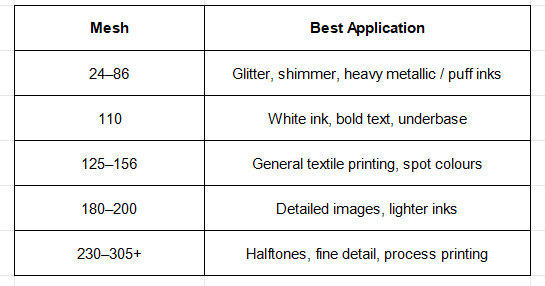
Mesh count = threads per inch. Higher count = finer detail, less ink.
Thread diameter affects ink deposit and durability.
Mesh color: white is fine for low counts; yellow/ dyed reduces light scatter for sharper stencils.
Most common material: polyester monofilament – resistant, stable, and versatile for textiles. Stainless steel is for extreme precision (electronics, fine lines), nylon is rarely used today.
2. Mesh Count – Quick Reference Table
3. The Non‑Negotiable: Tension
Proper tension (25–35 N/cm) gives you:
Clean snap‑off and sharp edges
Consistent ink laydown
Longer screen life and faster production
Low tension causes smearing, ghosting, and registration drift – a silent profit killer.
4. Why Your Screen Stretching Machine Matters
Manual stretching can’t deliver uniform tension. A professional pneumatic or mechanical stretching machine applies even force on all sides, ensuring repeatable results.
What to look for in a machine:
Tension accuracy within ±0.5 N
Sufficient pulling area for your frame sizes
Robust build and easy operation
Our equipment, for example, offers a maximum pulling area of 2500×5500 mm, total power 5 kW, and tension error ≤ ±0.5 N – designed for high‑volume shops that demand consistency.
5. Final Pro Tips
Always use a tension meter – check warp and weft (difference ≤ 1 N).
Let stretched screens rest 24 hours before printing.
Replace screens when tension drops below 18 N/cm.
Bottom line: Mesh selection + proper tension = flawless prints. Invest in a reliable screen stretching machine, and you’ll see the difference in every run.
Previous: Screen Stretching Machines: Why Tension Precision Is Your #1 Profit Driver Next: Intelligent Solder Paste Storage & Automation: A Practical Guide for SMT Excellence


