



News Center
How Our Auto Stencil Inspection Machine Achieves Stencil quality control on SMT Productionline?
 2026-04-18
 271
271
As SMT processes evolve toward higher density and precision, solder paste printing—a critical process where "70% depends on the front-end operations" —has its carrier, the steel screen, whose quality directly determines the overall line yield.In actual production, issues such as stencil hole blockages, burrs, and abnormal tension often become exacerbated during the printing stage and propagate to the assembly and welding processes, resulting in:
-Insufficient printing / excessive printing, bridging, or omissions of solder paste;
-Misaligned adhesive application; component misalignment;
-Reflow soldering short circuits, poor solder joints, and reduced reliability.
Traditional methods relying on manual visual inspection and tensio meter sampling exhibit limitations such as low efficiency, high subjectivity, and untraceable data, making them inadequate to meet the stability and
consistency requirements of high-end electronic manufacturing.
Therefore, establishing a quantifiable, automated, and data-driven on-site stencil quality control system has become a critical prerequisite for ensuring printing quality and back end yield rates.
Solution Overview (How We Approach It)
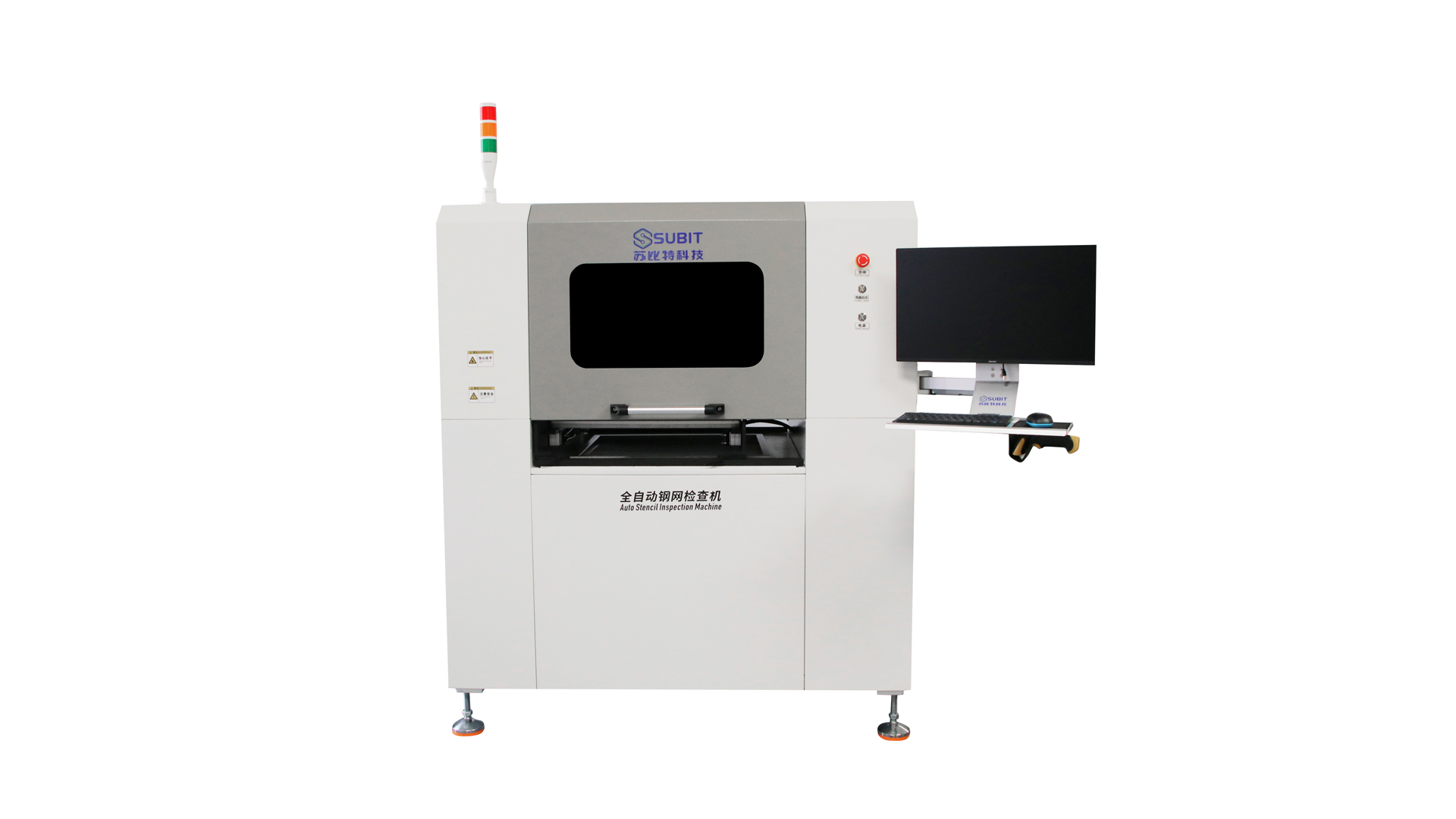
To address these pain points, our company has independently developed a fully automated stencil inspection machine specifically designed for SMT production line quality control of stencil. While ensuring detection accuracy, it achieves genuine cost reduction and efficiency improvement, helping customers resolve long-standing latent quality risks.
The device performs comprehensive data collection, comparison, and analysis before the stencil is wound, enabling visual, standardized, and digitalized monitoring of its condition. This ensures consistent solder paste printing quality from the source.
Core Technology Implementation Process (How the Equipment Was Achieved)
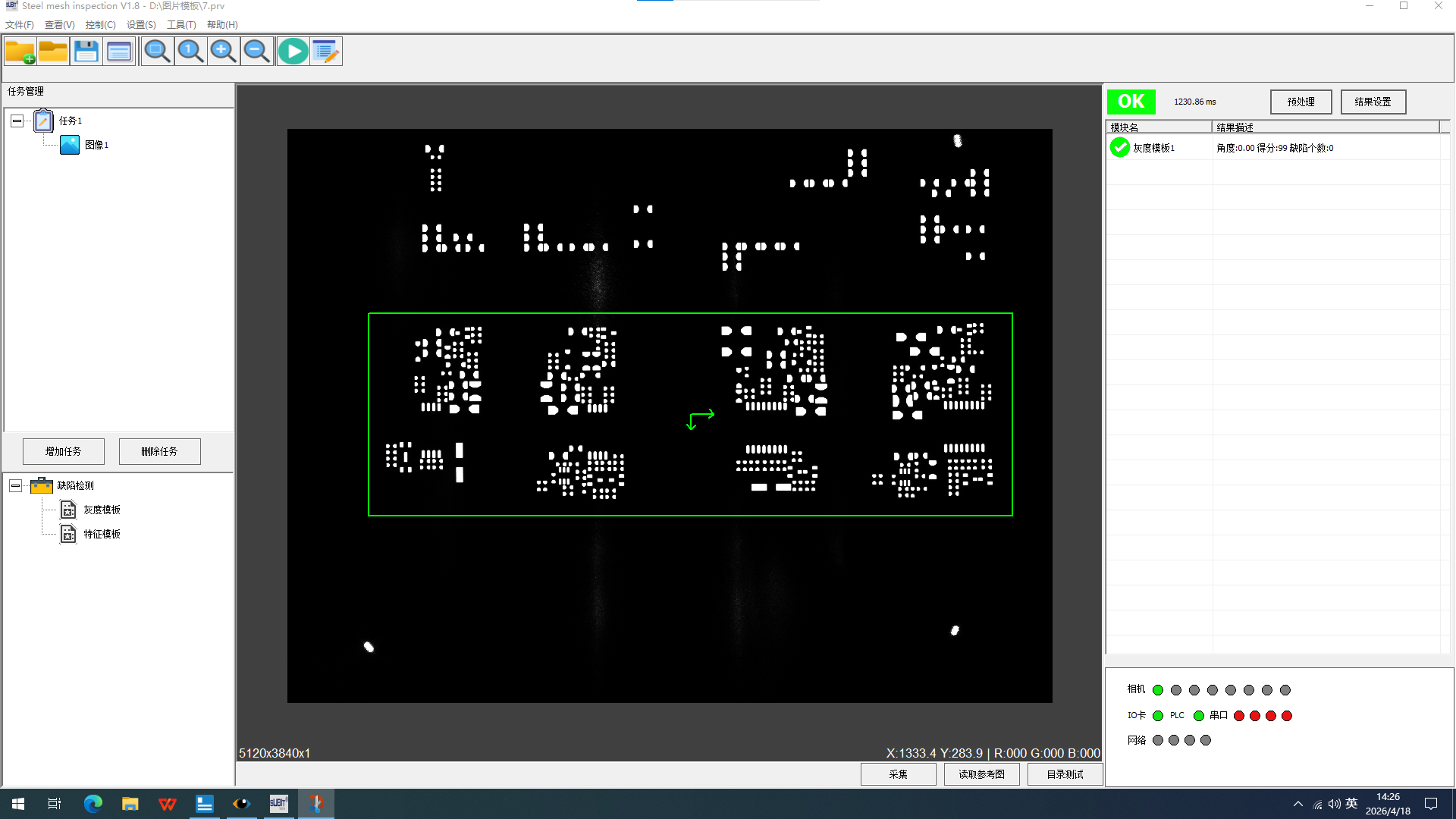
1. Establish a standard template — Define the benchmark for "Standard&Qualified Stencil"
Perform high-precision scanning and data acquisition on stencil that passes inspection from supplier-supplied materials;
Establish an image standard template for the stencil.
This template will serve as the sole reference for all subsequent on-site inspections, ensuring consistent and objective
evaluation criteria.
2. Prepress stencil surface quality inspection — Blockage holes, burrs, and residues are clearly visible
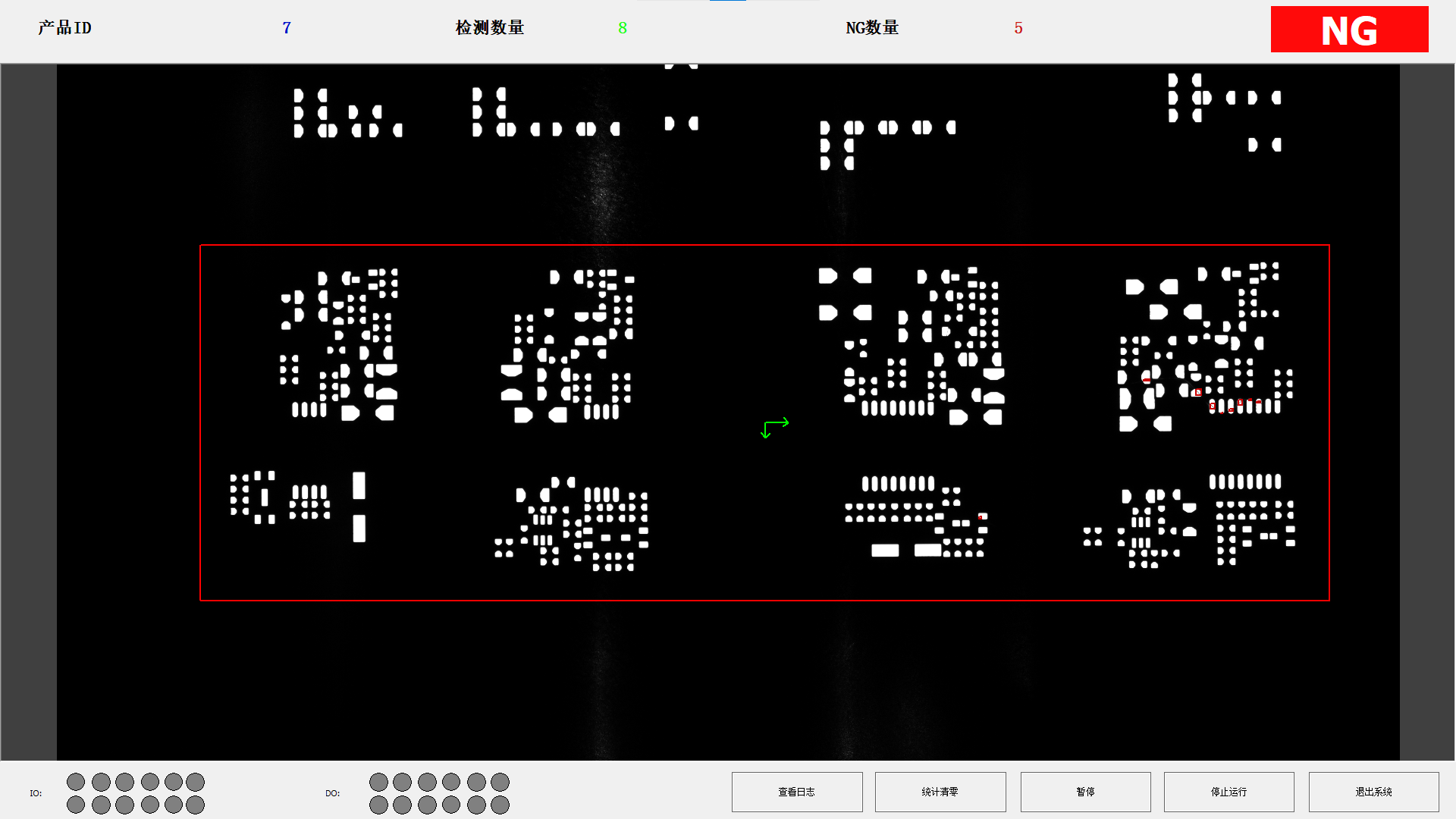
After the stencil cleaning is completed and before formal commissioning, the equipment automatically collects current surface data of the stencil.
Compare images with the original standard template for accurate recognition:
-Residual tin paste;
-Micro-clogging holes, partial clogging holes;
Minor defects such as burr on the pore walls and edge deformation.
The test results automatically save defect images and comparison data, supporting traceability and re-evaluation.
3. Real-time Monitoring of Prepress Steel Screen Tension — Digital Representation of Tension State Data
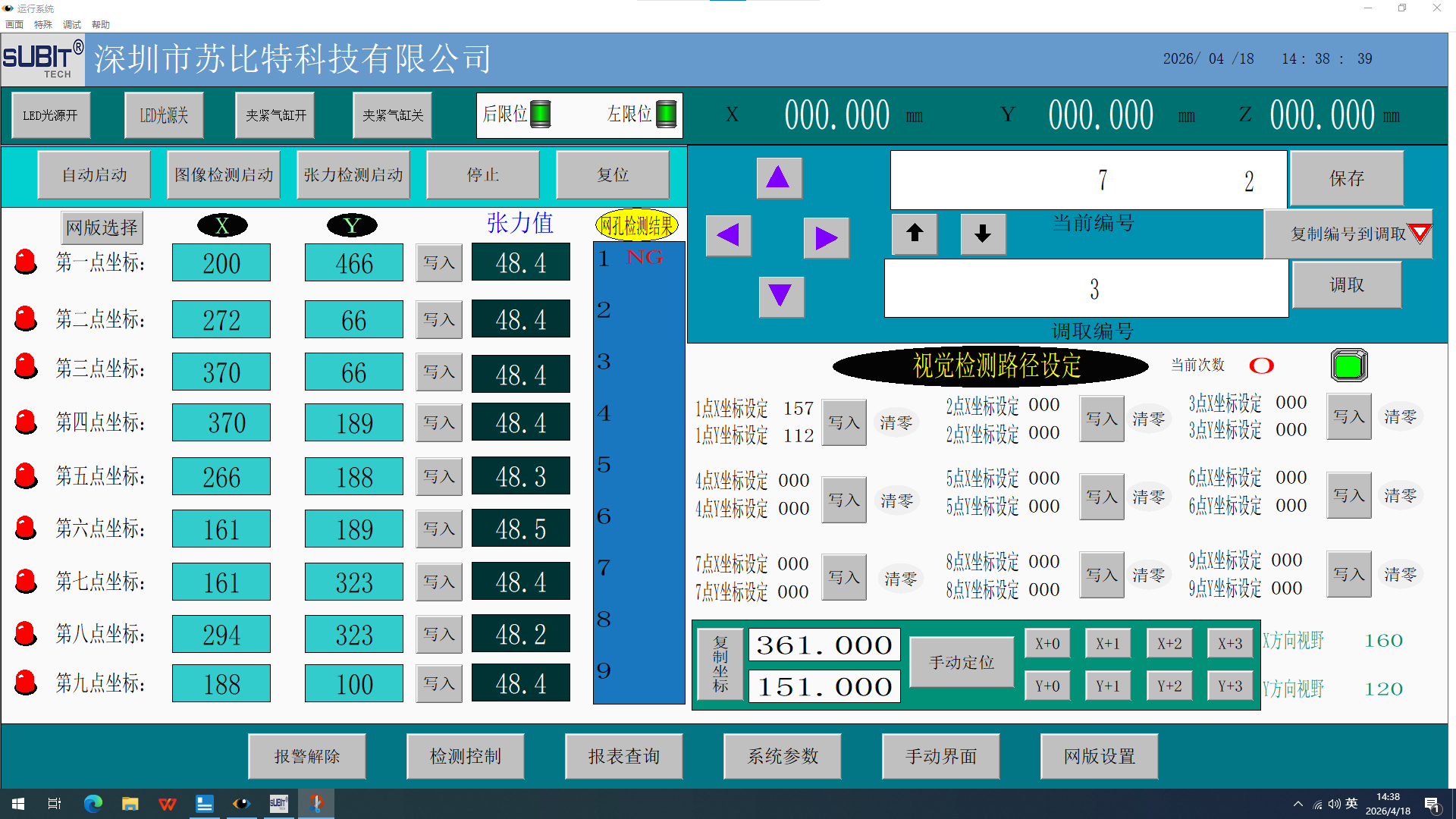
The device performs full-field tension acquisition on the cleaned stencil;
-Real-time display of tension values and distribution status, providing an intuitive reflection of stencil flatness and stability;
Provide objective basis for setting printing parameters and making decisions on steel screen replacement.
4. Automatic Judgment and Early Warning-The validity is determined by the data
-Based on predefined process technology error ranges, the system automatically conducts comprehensive evaluation:
Severity of surface defects;
Whether the tension is within the allowable range.
Automatically generate "Qualified/Unqualified" determination results and related data reports;
Issue early warnings for non-compliant stencil to prevent defective stencil from entering the production line.
Core Advantages of Equipment and Customer Value
1. Minimalist operation for quick mastery
On-site workers can operate independently after approximately 2–4 hours of training.
The software interface is simple and intuitive, minimizing the skill requirements for personnel.
2. High-speed and efficient, compatible with production line rhythm
-Single test duration ≤ 1 minute, without excessive occupation of production cycles;
-Supports high-frequency sampling or comprehensive testing to meet requirements in scenarios with high wire replacement frequencies.
3. Precision and reliability, reducing quality risks
Overcome manual visual inspection blind spots and reliably detect micron-level defects;
Avoid making judgments based on experience to reduce human-induced missed detections and misdiagnoses.
4. Data-driven management facilitates continuous improvement
Automatic archiving of detection data and adjudication results;
-Supports integration with MES/traceability systems to achieve full lifecycle management of stencil;
Provide authentic and continuous data support for process optimization and quality analysis.
Summary and Application Value
By adopting our fully automated stencil inspection machine, enterprises can achieve:
- ✅ stencil quality management has evolved from "experience-based control" to "data-driven control";
- ✅ The printing defect rate has been significantly reduced, leading to fewer rework and scrap cases in later stages;
- ✅ Significant improvement in production line reconfiguration and stencil maintenance efficiency;
- ✅ Product quality consistency and customer satisfaction have improved simultaneously.
This not only addresses the long-standing challenges in stencil inspection within the industry, but also provides a stable and reliable front-end quality assurance solution for high-end electronics manufacturing.
Previous: First Article Inspection (FAI): A Practical Guide to Manufacturing Quality & Compliance Next: Planetary Centrifugal Mixer: The Industrial Guide for Uniform, Bubble-Free Mixing Across Industries


